If you're a tennis player hearing about padel for the first time, you're probably wondering how different it really is. The answer: different enough to feel like a new sport, similar enough that your tennis skills give you a head start.
The Court
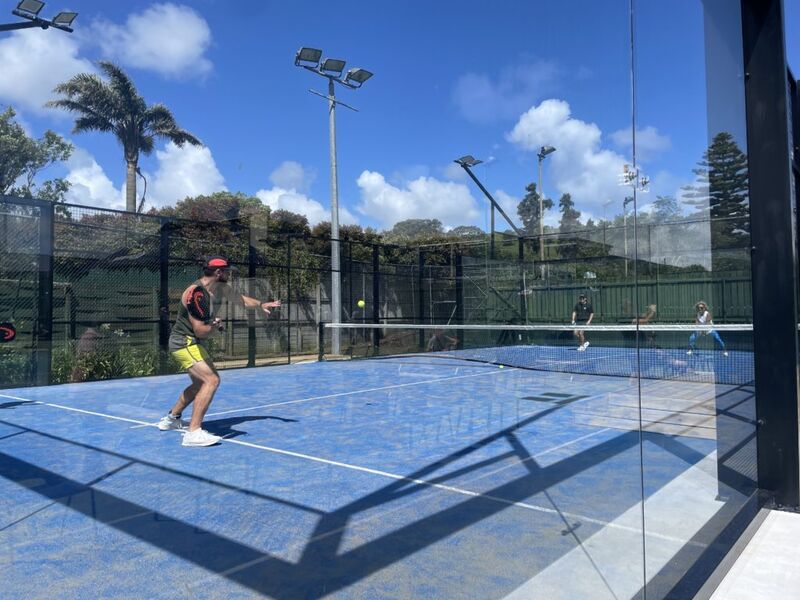
A padel court is roughly one-third the size of a tennis court — 10 metres wide by 20 metres long. It's fully enclosed by glass walls (back and sides) and metallic mesh fencing. The smaller court means less running and more tactical play.
The walls are in play. After the ball bounces on your side, it can hit the back or side walls and you can still return it. This is the single biggest difference from tennis and the thing that takes the longest to adjust to.
The Racket
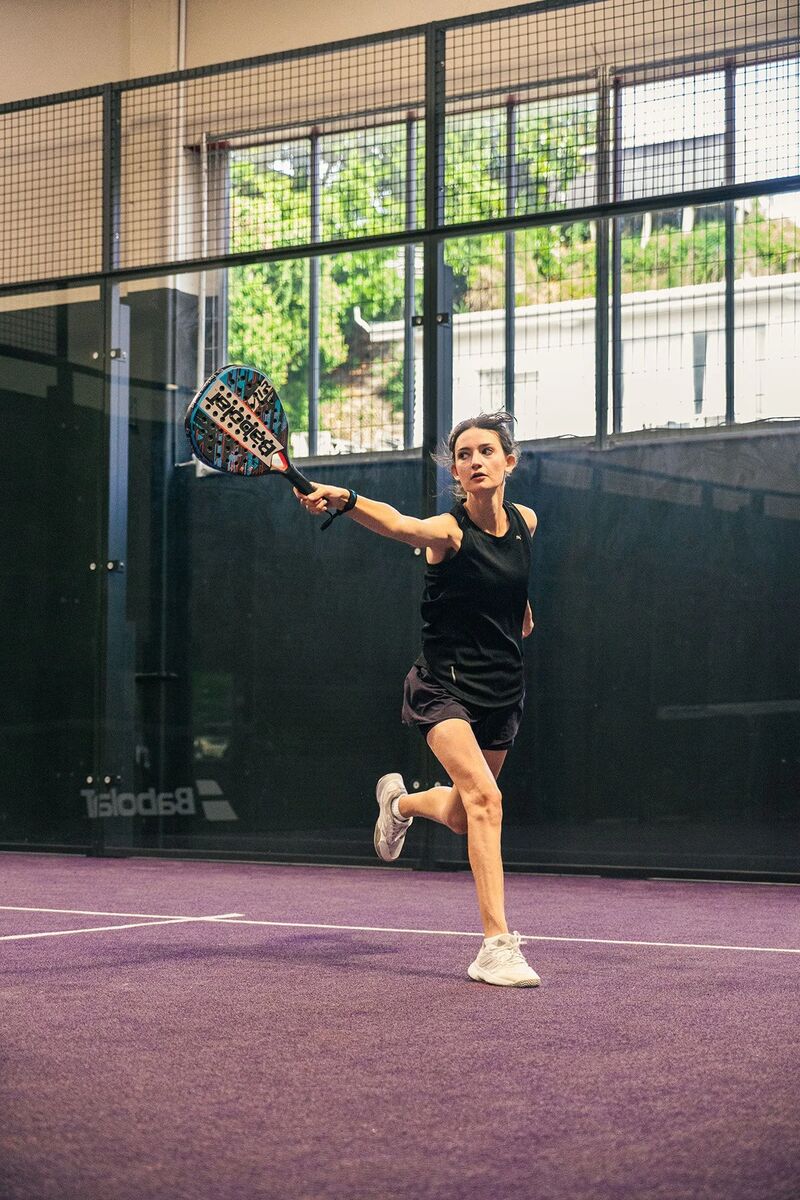
Padel rackets are solid — no strings. They're shorter and thicker than tennis rackets, with a perforated hitting surface. The compact design gives you more control in the tight spaces of a padel court but less reach than a tennis racket.
The Serve
Underhand only. You bounce the ball and hit it below waist height. No overhead serving, no aces, no hours spent perfecting a serving motion. This single rule change makes padel dramatically more accessible than tennis for beginners.
Scoring
Identical to tennis. 15, 30, 40, deuce, advantage, game. Six games wins a set. Most competitive matches are best of three sets. The only common variation is the "golden point" at deuce, where the receiving team chooses which side to receive on and one point decides the game.
Always Doubles
Tennis can be singles or doubles. Padel is always doubles. You need four people. This makes it inherently more social and means you always have a partner to cover the court with you.
Why Tennis Players Love Padel
Your groundstrokes, volleys, and court awareness all transfer. You'll have an immediate advantage over complete beginners. But the wall play, positioning, and tactical elements are different enough that you'll have genuine new skills to develop. Most tennis players who try padel describe it as "addictive" — all the competition with more social interaction and less physical punishment.